Advanced Ceramic Heaters with Integrated Temperature Sensors Improve Process Control
Advanced ceramic heaters with built-in temperature sensors are now delivering better process control for industrial applications. These new heaters combine high-performance heating elements with precise sensing technology in a single compact unit. The integration allows real-time temperature monitoring right at the heat source. This setup reduces delays and errors common in systems that rely on separate sensors.
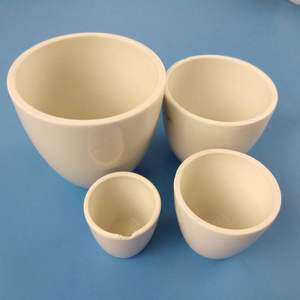
(Advanced Ceramic Heaters with Integrated Temperature Sensors Improve Process Control)
Manufacturers report improved consistency in thermal processes since adopting the new heaters. The direct feedback from the integrated sensors helps maintain stable temperatures even under changing conditions. This stability is critical in industries like semiconductor manufacturing, food processing, and medical device production. Any small fluctuation can affect product quality or safety.
The ceramic material used in these heaters offers strong resistance to thermal shock and chemical corrosion. It also provides uniform heat distribution across the surface. This means parts heat evenly without hot spots that could damage sensitive components. The design supports faster start-up times and more efficient energy use compared to older models.
Installation is simpler because fewer parts are needed. There is no need to position an external sensor close to the heater. Wiring and calibration steps are reduced, which cuts down on setup time and potential points of failure. Maintenance is also easier since the system has fewer connections and components.

(Advanced Ceramic Heaters with Integrated Temperature Sensors Improve Process Control)
Early adopters say the new heaters have helped them meet tighter quality standards. They also note fewer production interruptions due to temperature-related issues. The technology is now available from several leading thermal equipment suppliers. Companies looking to upgrade their heating systems are testing the units in pilot programs before full-scale deployment.